Dive into the enchanting world where love stories unfold beyond the usual scope—where romance anime books transport readers and viewers alike into heartfelt journeys. These stories blend the visual appeal of animation with the immersive nature of literature, creating a unique experience that resonates deeply on emotional levels. From tender confessions to complex relationship dynamics, romance anime books serve as a bridge between two passionate storytelling mediums, inviting fans to explore love in all its varied forms.
Main Keyword: romance anime books
The Alluring Intersection of Romance, Anime, and Books: A Gateway to Emotional Storytelling
The convergence of romance, anime, and literature creates a rich tapestry of storytelling that appeals to diverse audiences. Romance anime books, in particular, stand out for their ability to weave emotional depth and visual artistry, offering a narrative experience that is both immersive and intimate. They thrive on capturing the nuances of human relationships—be it the innocence of first love or the complexity of enduring passion—allowing readers to explore the multifaceted nature of love through vivid descriptions and expressive characters.
This intersection not only broadens the storytelling canvas but also allows fans to engage with beloved stories across different formats. Whether it’s the visual spectacle of anime or the contemplative nature of books, the emotional resonance of romance remains central. For many enthusiasts, this genre becomes a portal through which they can better understand themselves and their relationships, providing comfort, hope, and inspiration through compelling narratives.
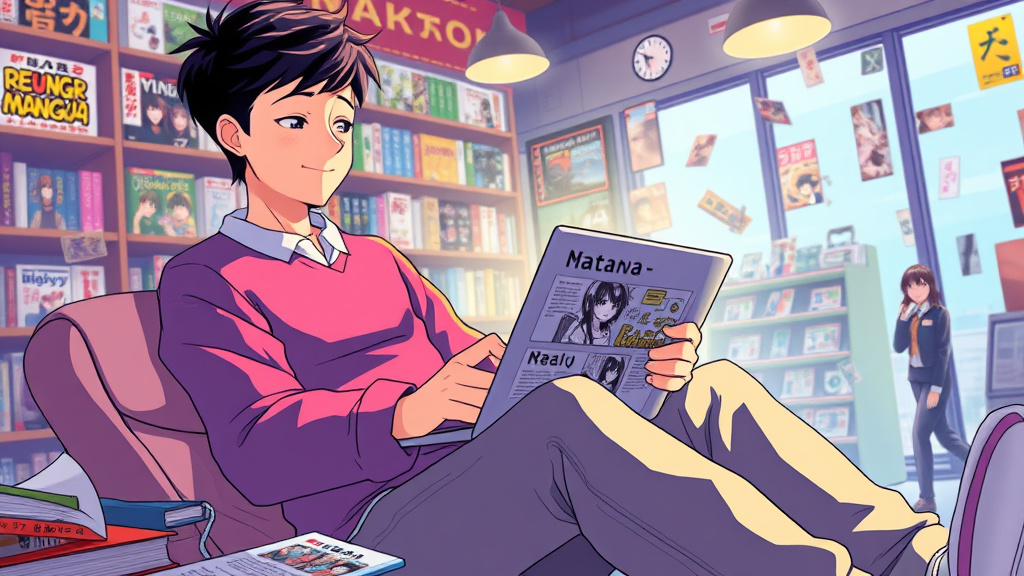
 Hình minh họa: fantasy manga – romance anime books
Beyond the Screen: Exploring Literary Adaptations of Beloved Romance Anime
Many renowned romance anime have inspired literary adaptations, offering fans a chance to dive deeper into their favorite stories. These adaptations often explore the internal monologues and thoughts of characters more extensively than their animated counterparts, providing a richer understanding of their motivations and emotional states. For instance, light novels and manga often expand on the original plots, filling in gaps or adding new perspectives that enhance the overall experience.
For readers, exploring these literary versions can reveal subtle cultural nuances and character nuances that may not be immediately noticeable on screen. Moreover, the act of reading allows a slower, more introspective engagement with romance stories. For fans of romance anime books, these adaptations provide an enriched layer of storytelling that deepens their emotional investment in the characters and themes, fostering a stronger connection to the genre.
From Page to Anime: Unveiling the Influence of Romance Novels on Animated Storytelling
Conversely, romance novels—especially those of the Asian literary tradition—often serve as the foundational inspiration for many anime productions. Writers craft detailed narratives that storyboard artists and directors translate into visually captivating episodes. This symbiotic relationship highlights how a compelling romance novel's depth and emotional complexity can influence animated storytelling, leading to anime that retains the nuance and intimacy of the original source material.
This influence ensures that anime adaptations do justice to the intricacies of romantic relationships portrayed in books. It also demonstrates the dynamic between literature and animation in shaping the genre. For audiences, knowing about the literary roots of their favorite anime can deepen appreciation and understanding, allowing them to recognize subtle allusions and thematic consistencies that enrich the viewing experience. Romance anime books thus play a pivotal role in inspiring and informing animated portrayals of love.
The Art of Emotional Resonance: Analyzing Romance Tropes in Anime and Literature
Romance anime books frequently employ familiar tropes—such as love triangles, confession scenes, and childhood connections—but they are also adept at subverting expectations to create fresh narratives. These tropes serve as tools for emotional resonance, providing familiarity while also allowing writers and creators to explore new avenues of relationship complexity. The skill lies in how these familiar setups are personalized and deeply developed, allowing readers and viewers to experience authentic emotions.
Both mediums excel at capturing the subtleties of romantic tension through visual cues and descriptive language. Anime can depict unspoken glances and body language that convey nuanced feelings, while books can delve into the characters’ innermost thoughts and doubts. Analyzing these tropes across media reveals how each reflects and enhances human experiences of love—bringing to light universal truths about vulnerability, trust, and hope.
Romance Anime and Books: A Comparative Study of Character Development and Relationship Dynamics
Character development stands as a cornerstone of successful romance stories, whether in anime or books. Romance anime books often showcase protagonists undergoing significant emotional growth, navigating insecurities, fears, and desires. Comparing how these characters evolve across media reveals differences in storytelling techniques: anime emphasizes visual transformation and expressive acting, whereas books focus on internal monologue and detailed backstories.
Relationship dynamics, similarly, can appear complex and multi-layered depending on the medium. Anime might use dramatic scenes, music, and animation to heighten romantic tension, while literary works can explore the mental states and conflicting feelings in greater depth. This comparative study highlights how different storytelling tools shape perceptions of love, making both forms vital for understanding emotional intimacy and character complexity within the romance genre.
Lost in Translation? Examining Cultural Nuances in Romance Anime and Literary Representations
Cultural nuances significantly influence how romance is portrayed across different regions and mediums. Japanese romance anime and literature often embody a unique blend of modesty, indirectness, and societal expectations—shaping characters’ interactions and romantic expressions accordingly. These cultural elements may sometimes feel unfamiliar or even challenging for audiences from other backgrounds, raising questions about translation and interpretation.
Understanding these nuances is essential for truly appreciating romance anime books—both in their original context and when adapted or translated. They reflect societal values, gender roles, and cultural ideals about love, which may evolve over time or differ across cultures. Exploring these nuances enhances our comprehension of how love stories resonate universally yet are rooted in specific cultural frameworks, enriching the experience for fans worldwide.
The Evolution of Romance Narratives: Tracing Trends in Anime and Books Across Decades
Over decades, romance narratives in anime and literature have evolved dramatically, mirroring societal shifts and changing audience preferences. During the 1980s and 1990s, stories often reflected idealized, innocent portrayals of love, emphasizing purity and hope. More recent trends, however, explore complex relationships, questioning traditional gender roles, and addressing mental health and emotional struggles.
Tracing these trends reveals a fascinating trajectory of how romance stories adapt to cultural and technological changes. Romance anime books now incorporate diverse perspectives, including LGBTQ+ themes, and challenge stereotypes by presenting more realistic and nuanced conflicts. This evolution demonstrates how the genre remains relevant and dynamic, capable of reflecting contemporary values while still appealing to timeless human emotions.
Finding Comfort and Connection: Why Readers and Viewers Gravitate Towards Romance Anime and Books
People are naturally drawn to stories of love because they evoke deep emotional responses, offering comfort, hope, and a sense of connection. Romance anime books provide a safe space to explore feelings of longing, companionship, and vulnerability—especially during times of loneliness or hardship. These narratives often serve as emotional catharsis, helping individuals process their own experiences with love and loss.
Additionally, romance stories foster empathy and understanding by portraying relatable characters navigating universal challenges. Whether through anime or literature, these tales remind us that love is a fundamental aspect of the human condition, bridging gaps across gender, culture, and age. For many fans, immersing in romance anime books offers solace and reassurance, emphasizing the beauty and resilience inherent in love’s journey.
Recommendations for Romance Enthusiasts: Bridging the Gap Between Anime and Literary Worlds
For fans eager to explore both sides of the romantic spectrum, a curated approach to romance anime books can greatly enrich their experience. Start with classics that exemplify emotional storytelling, such as “Kimi ni Todoke” or “Toradora!” for anime, and pair them with literary gems like “The Little Prince” or contemporary novels like “Eleanor Oliphant Is Completely Fine,” which explore nuanced relationships. Engaging with both mediums allows fans to appreciate the different techniques storytellers employ to evoke emotion and develop characters.
Additionally, participating in crossover communities—such as online forums, book clubs, or anime conventions—can facilitate discussions and recommendations. By actively exploring stories across media, fans can deepen their understanding of themes, tropes, and cultural influences, building a more comprehensive appreciation of the genre. This bridging of worlds not only expands personal emotional horizons but also fosters a sense of community among romance enthusiasts.
The Future of Romance Storytelling: Innovations in Anime and Books Shaping the Genre
Looking ahead, technological innovations and changing audience preferences promise exciting developments in romance storytelling. Virtual reality and interactive narratives may create immersive experiences that place fans directly into romantic scenarios, heightening emotional engagement. Advances in animation technology will enable more expressive and realistic portrayals of love stories, widening the scope for creative storytelling in anime.
On the literary front, genres like speculative fiction and crossover media are pushing the boundaries of traditional romance, challenging storytellers to explore new themes and relationship models. As societal attitudes shift, romance anime books will likely continue to diversify, promoting inclusivity and representation. Together, these innovations will shape the future of the genre, ensuring that stories of love remain vibrant, relatable, and emotionally compelling well into the coming decades.
Conclusion
Romance anime books bind the visual vibrancy of animated stories with the emotional depth of literature, creating a compelling genre that appeals to a wide spectrum of fans seeking connection, escapism, and self-discovery. The dynamic relationship between screen adaptations and literary origins demonstrates how storytelling evolves across mediums while retaining the core themes of love, growth, and vulnerability. Cultural nuances and changing trends continue to shape the portrayal of romance, reflective of society’s broader shifts and individual experiences. As technology advances and diversity blossoms within the genre, romance anime books are poised to remain a vital part of our cultural landscape—offering heartfelt stories that resonate across borders, generations, and mediums, inspiring feelings of hope and connection in all who seek love’s soulful journey.
English language.