The term tl comic refers to a distinctive genre of webcomics and digital storytelling that originated within niche communities but has grown to influence mainstream media and culture significantly. These comics often focus on romantic, emotional, and sometimes taboo themes, which resonate deeply with diverse audiences around the world. They serve not only as a form of entertainment but also as cultural artifacts that reflect societal values, personal identities, and shifting perceptions of love and relationships. As a unique artistic and literary phenomenon, tl comic has carved out a special place in digital storytelling, captivating millions by blending visual artistry with compelling narratives.
The Enduring Appeal of TL Comics: Exploring Their Cultural Significance
TL comics possess an enduring appeal largely because of their ability to address universal themes such as love, betrayal, identity, and personal growth through relatable characters and settings. Their significant cultural role lies in how these stories often challenge traditional norms, encouraging dialogue around gender roles, sexuality, and emotional vulnerability. This genre acts as a mirror to society, offering a space where marginalized voices and non-conventional relationships are normalized or celebrated, thereby fostering a more inclusive cultural narrative. The emotional intimacy demonstrated through visual storytelling creates a strong connection between readers and characters, which sustains the genre's popularity across generations.
Furthermore, TL comics often serve as an entry point for exploring complex social issues in a digestible way. By embedding meaningful messages within engaging plots, they help normalize conversations around topics that might otherwise be stigmatized, such as LGBTQ+ identities and non-conforming gender expressions. This cultural significance extends beyond entertainment, as these stories influence perceptions, promote empathy, and support social progress. Their widespread acceptance attests to the genre’s power to reshape societal conversations around love and human relationships, making it a vital component of contemporary digital culture.
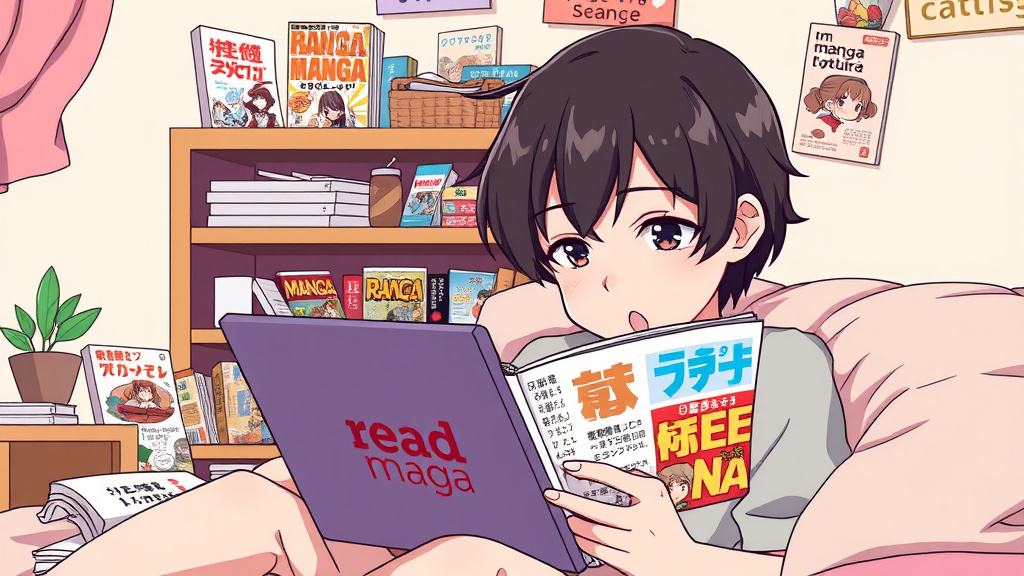 Hình minh họa: free manga reading app – tl comic
From Fanfiction to Mainstream: The Evolution of TL Comic Tropes
In its early days, tl comic tropes often emerged from fanfiction communities, where passionate fans created stories that expanded on their favorite shows or original characters. These tropes—such as the “forbidden love,” “romantic rivals,” and “second chances”—became hallmark themes that continue to resonate today. Over time, these narratives evolved into standalone comics with their own worlds, characters, and complexities, transitioning from underground fan works to popular titles on webtoon platforms and social media.
What’s fascinating about this evolution is how repeatedly certain tropes are reimagined, often subverting expectations to reflect current social attitudes. For example, early tropes emphasizing idealized romance have been deconstructed to include nuanced portrayals of consent and emotional agency. This transformation highlights a collective learning process within the TL comic community, emphasizing authentic representation and emotional honesty. The genre’s growth demonstrates its adaptability and capacity for self-reflection, allowing creators to explore themes with greater maturity and diversify storytelling styles for a broader audience.
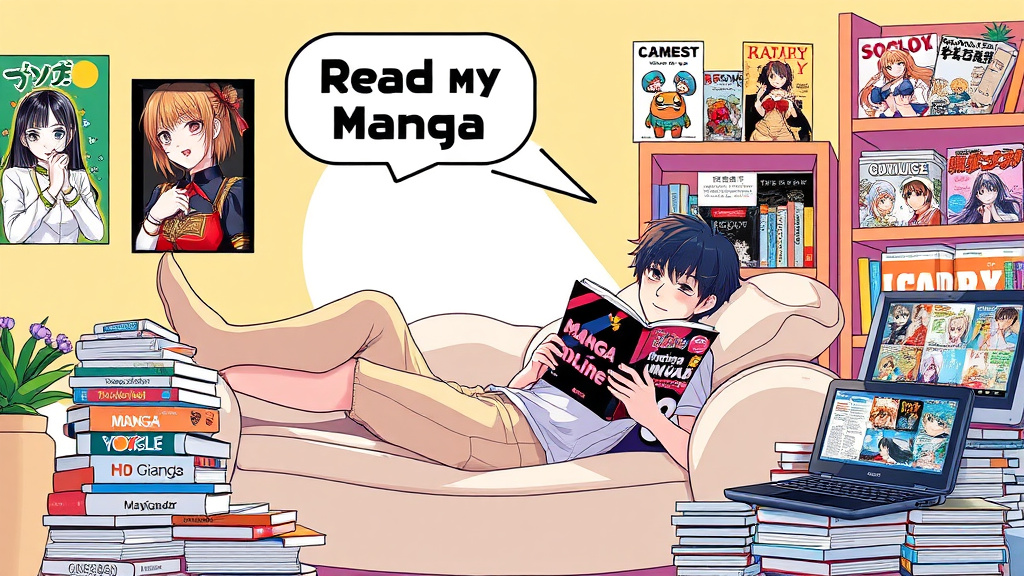
Decoding the Narrative: Key Themes and Character Archetypes in TL Comics
TL comics frequently center around themes like forbidden love, personal discovery, and emotional resilience. These narratives often challenge traditional storytelling conventions by emphasizing psychological depth and character development, making the emotional stakes more compelling. Archetypal characters such as the “reluctant hero,” “conflicted lover,” or “supportive best friend” serve as familiar anchors, while subverting or expanding these roles to reflect modern complexities. This blend of tradition and innovation keeps readers engaged and allows for fresh storytelling approaches within a recognizable framework.
Character archetypes in tl comic often symbolize broader societal issues and personal struggles, providing readers with characters they can see themselves in or aspire to be. For instance, a ‘tsundere’ figure might evolve into a nuanced representation of vulnerability, or a ‘bad boy’ character might reveal layers of trauma and redemption. These archetypes often serve as a canvas for exploring themes like identity, acceptance, and emotional honesty. The genre’s strength lies in its ability to craft stories that are both familiar and innovative, thereby cultivating deep emotional investment and cultural relevance.
The Art of TL Comics: Visual Storytelling and Aesthetic Conventions
The visual component of tl comic is indispensable, as it enhances storytelling by providing emotional depth and context often impossible through words alone. The aesthetic conventions—such as clean line art, expressive facial expressions, and mood-setting backgrounds—help communicate mood and character psychology with subtlety and precision. Many artists develop a distinctive style that becomes a signature, making their work instantly recognizable and fostering a sense of community and shared aesthetic values among fans.
In addition, the art style in TL comics often balances simplicity with emotional richness, allowing for quick reader engagement while still providing enough detail for meaningful expression. This visual approach is especially important in digital formats, where scrolling and pacing influence how stories unfold. As the genre evolves, experimental art styles—like watercolor effects, dynamic panel layouts, or anime-inspired techniques—continue to push creative boundaries. The artistry in TL comics not only enhances narrative immersion but also reflects and shapes cultural aesthetics, contributing to the genre’s vibrant visual culture.
Platform Power: How Webtoons and Digital Spaces Catalyzed TL Comic Growth
Digital platforms like Webtoon, Tapas, and LINE have played a transformative role in tl comic proliferation. They provide accessible, user-friendly spaces where independent creators can publish, share, and monetize their work without traditional gatekeeping from publishers. These platforms foster global communities that transcend geographical boundaries, allowing stories to reach diverse audiences quickly and easily. The real-time feedback and interaction fostered on these sites empower creators to adapt and refine their work, making the genre more responsive and dynamic.
The democratization of publishing via digital spaces has also led to an explosion of creativity within the TL comic genre. Artists and writers from a variety of backgrounds are now able to build careers outside the mainstream publishing industry, cultivating unique voices and exploring niche themes. Platforms also often feature algorithms and recommendation systems that amplify visibility, further fueling the genre’s growth and popularity. As digital spaces continue to evolve with features like immersive multimedia integration, they are poised to revolutionize how TL comics are created, consumed, and experienced worldwide.
Community and Connection: The Role of Fandom in TL Comic Creation and Appreciation
Online fandom communities are integral to the vibrancy of the tl comic scene. Fans actively participate in discussions, fanart, fanfiction, and cosplay, creating a participatory culture that sustains interest and encourages new creators. This communal environment fosters a sense of belonging and mutual support, often acting as a launching pad for amateur artists to hone their craft or for established creators to experiment with new ideas. Shared love for particular stories or characters strengthens bonds within these communities, enhancing the overall appreciation and visibility of the genre.
Moreover, communities often influence the development of TL comics, with fans providing essential feedback that guides creators toward more inclusive and resonant storytelling. The collaborative nature of fandom can lead to the emergence of fan-driven projects, translation efforts, and thematic explorations that push the boundaries of traditional narratives. These collective dynamics ensure the genre remains innovative, culturally relevant, and deeply connected to its audience, fostering a vibrant ecosystem that celebrates creativity, diversity, and emotional openness.
Navigating the Nuances: Understanding the Spectrum of TL Comic Genres
While tl comic is often associated with romantic and emotional themes, its genre spectrum is remarkably diverse. It includes sub-genres such as historical BL (Boys’ Love), contemporary romance, fantasy, supernatural, and even slice-of-life stories—all tailored to different tastes and cultural contexts. Recognizing this range allows for a better understanding of the genre's versatility and the ways it reflects societal shifts and personal preferences. Each sub-genre brings its unique narrative style, aesthetic, and thematic focus, enriching the overall landscape of TL comics.
This nuanced spectrum encourages creators to experiment with storytelling formats and thematic depths, challenging stereotypes and embracing complexity. For example, some TL comics explore heavy social issues through allegory and symbolism, while others aim for lighthearted, comedic relief. Appreciating the diversity within TL comics is essential to understanding their cultural significance, as it underscores their capacity to represent broad human experiences and serve multifaceted audiences. This open-ended range makes TL comics a continually evolving genre that adapts to changing cultural conversations.
Beyond the Tropes: Examining Diversity and Representation in TL Comics
Early TL comics often relied on a set of familiar tropes, but contemporary creators are increasingly pushing beyond these confines to promote diversity and authentic representation. The genre now features a broader range of identities—including different sexual orientations, gender expressions, racial backgrounds, and neurodiverse characters—challenging stereotypes and fostering inclusivity. This evolution signifies a conscious effort within the community to mirror real-world diversity, making stories more relatable and respectful of complex identities.
This shift has major implications, encouraging empathy and recognition in readers and providing marginalized groups with representation they might not typically find in mainstream media. Creators are experimenting with nuanced portrayals of identity, trauma, and societal expectations, making the genre more truthful and layered. The ongoing push for diversity in TL comics not only enriches storytelling but also aligns with global cultural movements toward equality and acceptance, ensuring the genre remains relevant in a rapidly changing world.
The Business of TL Comics: Monetization, Publishing, and the Industry Landscape
Commercially, tl comic creators have found new opportunities to monetize their work through digital platforms that offer ad revenue, patronage systems, merchandise, and direct fan support. This democratization of publishing allows independent artists to sustain themselves financially while maintaining creative freedom. However, monetization also presents challenges such as piracy, copyright issues, and the pressure to produce regular content to satisfy platform algorithms and audience expectations.
The industry landscape is also seeing traditional publishers take note of the genre’s popularity, leading to print adaptations and licensing deals. This crossover from digital to print signifies a legitimization of TL comics as a viable industry segment. The monetization models and industry trends indicate a sustainable future for creators, provided they navigate these economic complexities wisely. As the genre gains mainstream recognition, the business aspects of TL comics will likely evolve, integrating new revenue streams like multimedia adaptations, virtual reality experiences, and global licensing, broadening the genre's commercial scope.
The Future of TL Comics: Emerging Trends and Potential Innovations
Looking ahead, tl comic creators and platforms are poised to embrace emerging technologies such as augmented reality (AR), virtual reality (VR), and interactive storytelling, which could revolutionize how narratives are experienced. These innovations offer immersive participation that blurs the lines between reader and viewer, opening up new avenues for emotional engagement and storytelling complexity. Additionally, the rise of AI-assisted art and writing tools may democratize content creation further, enabling more diverse voices to contribute to the genre’s growth.
In parallel, trends toward greater cultural sensitivity and inclusivity are expected to deepen, pushing TL comics to explore more socially conscious themes and foster authentic representation. The genre might also see increased collaborations with mainstream media, blending traditional storytelling with transmedia experiences. The future of TL comics is bright with possibility, driven by technological advancements, community engagement, and a growing global audience eager for emotionally resonant and innovative stories that challenge norms and celebrate human diversity.
Conclusion
TL comics serve as a potent reflection of societal values, personal identities, and evolving cultural norms, fostering emotional connection and dialogue through compelling storytelling and artwork. Their journey from niche fanfiction to mainstream platforms exemplifies their adaptability and significance, shaping how digital comics influence social attitudes and artistic innovation. With a diverse spectrum of genres, themes, and representations, the genre continues to thrive through technological advances and passionate fandom communities, ensuring its relevance and growth for years to come. As it navigates industry challenges and embraces emerging trends, tl comic remains a vital space for creative expression and cultural exploration that resonates deeply across borders and generations.